
Sweden consistently ranks among the best countries in the world for quality of life. Known for its strong social systems, beautiful natural environment, and emphasis on balance, Sweden offers a lifestyle that is both structured and relaxed. For international professionals planning to live and work in Sweden, understanding everyday life—from housing and food to family life and work–life balance—can help make the transition smoother and more rewarding.
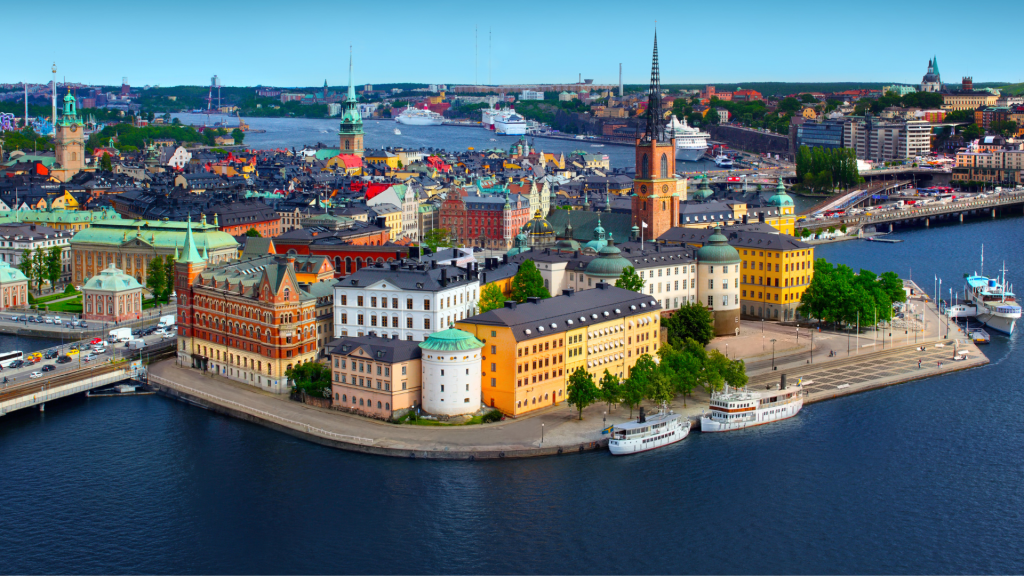
Housing in Sweden
Housing in Sweden is well-regulated, modern, and designed for comfort and functionality. Most people live in apartments, particularly in cities such as Stockholm, Gothenburg, and Malmö, while houses are more common in suburban and rural areas.
Rental housing is often managed through housing associations or municipal housing companies. Due to high demand in major cities, waiting lists are common, so new arrivals may initially opt for short-term rentals or shared accommodation. Homes are typically well-insulated and energy-efficient, reflecting Sweden’s cold climate and focus on sustainability.
Swedish homes emphasize simplicity and practicality, often following the concept of lagom—meaning “just the right amount.” Spaces are designed to be comfortable, uncluttered, and functional.
Food and Eating Habits
Swedish food culture is simple, nutritious, and seasonal. Common ingredients include fish, potatoes, dairy products, whole grains, and fresh vegetables. Popular traditional dishes include meatballs, salmon, and various soups and stews.
One unique aspect of Swedish culture is fika, a daily coffee break shared with colleagues, friends, or family. Fika is more than just coffee—it is a social tradition that encourages connection and relaxation.
Supermarkets are well-stocked with both local and international foods, making it easy for newcomers to find familiar ingredients. Eating out is relatively expensive, so many people prefer home-cooked meals during the week.
Weather and Climate
Sweden experiences four distinct seasons. Winters can be long and cold, especially in the northern regions, with limited daylight. Summers, on the other hand, are mild and pleasant, with long daylight hours—sometimes up to 18–20 hours of daylight in parts of the country.
Despite the colder climate, Swedes embrace outdoor life throughout the year. Activities such as walking, cycling, hiking, and winter sports are popular, supported by well-maintained public spaces and nature reserves.
Work–Life Balance
Work–life balance is a core value in Swedish society. Standard working hours are generally respected, and overtime is not encouraged. Employees are trusted to manage their time effectively, and flexible working arrangements are common.
Sweden offers generous benefits, including:
- At least five weeks of paid annual leave
- Paid parental leave for both parents
- Sick leave and strong worker protections
Employers place high importance on employee well-being, making Sweden an attractive destination for professionals seeking a healthier balance between work and personal life.
Family Life in Sweden
Sweden is considered one of the most family-friendly countries in the world. Families benefit from subsidized childcare, free or low-cost education, and comprehensive healthcare services for children.
Parental leave policies allow parents to spend quality time with their children without financial stress. Schools encourage independence, creativity, and critical thinking, creating a supportive environment for children from diverse backgrounds.
Family life in Sweden is built around equality, shared responsibilities, and respect for individual choices.
Final Thoughts
Living in Sweden offers a lifestyle centered on balance, equality, and well-being. From comfortable housing and healthy food to a strong focus on family and work–life balance, Sweden provides a stable and supportive environment for individuals and families alike.
For international professionals, adapting to Swedish lifestyle may take time, but the rewards—both professionally and personally—are well worth the effort.

Leave a Reply